
Showing posts with label eco acts of kindness. Show all posts
Showing posts with label eco acts of kindness. Show all posts
Wednesday, July 20, 2022
Dryers Are Energy Vampires- Clotheslines Are Better

Thursday, April 28, 2022
Just Say No to GMO

Friday, October 29, 2021
Saving the Planet One Paper Towel at a Time

Sunday, October 24, 2021
Recycling Saves the Rainforest

*Don’t keep tropical birds or reptiles as pets. Let them live in nature.
*Buy items made of sustainable wood. Hardwood teak and rosewood encourage logging and deforestation.
*Recycle all your cans. Bauxite is mined from the ground in tropical countries and is the source for aluminum.
*Buy local, organic food whenever possible. Conventional agriculture is exhausting our forest’s resources.
*Support any organization that is legitimately working to protect the environment in developing countries and in precious rainforests.
Saturday, October 23, 2021
More Beef = Fewer Trees

Over five million acres of South and Central American rainforests are cleared each year for cattle to graze on. The local people don’t eat this much meat-it is exported to make the one dollar hamburger and a cheap barbecue meal.
Monday, September 27, 2021
Take Care of the Planet

Thursday, September 16, 2021
Every Drop of Water Counts

Thursday, August 26, 2021
Lighten the Load on Our Environment

At the store, look for phosphate-free, eco-friendly laundry detergent powder. The green brands use a soap base instead of petroleum, which works just as well without the deadly chemicals. You may even find that strange allergies and discomfort goes away as you eschew heavily chemical-laden soaps.
Saturday, February 6, 2021
360 Degrees of Giving

Wednesday, December 30, 2020
Terrific for Terra

Thursday, July 23, 2020
Save Rare Earth
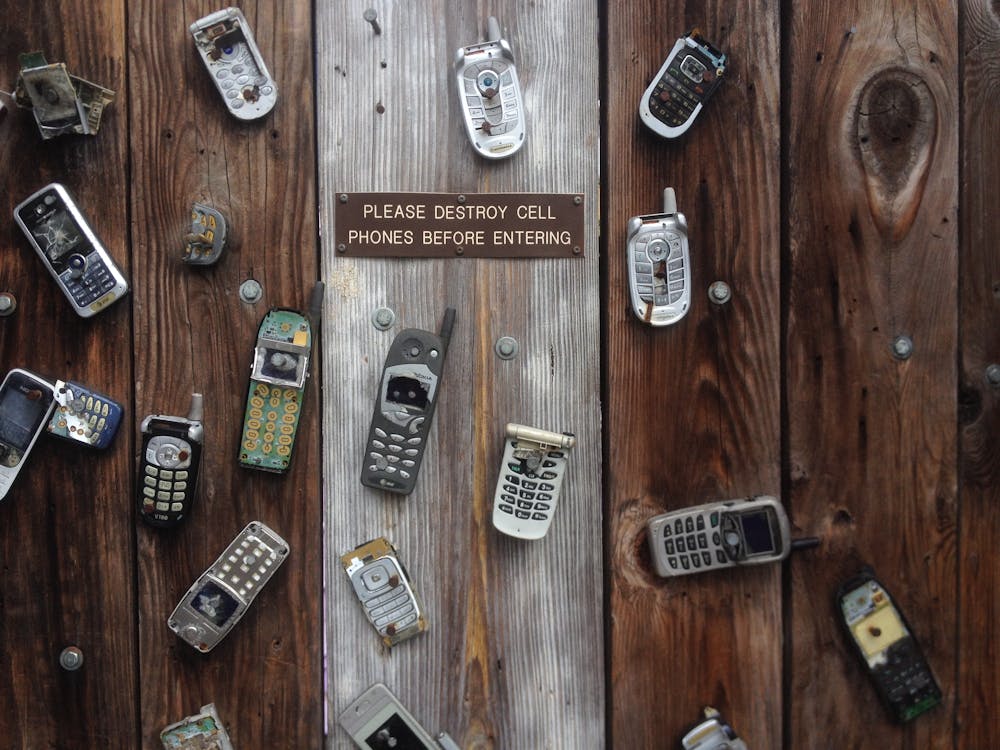
Cell phones and batteries are some of the largest contributors to toxic substances in our landfills. More than 13 million cell phones become obsolete in California every year, and historically only seven percent have been recycled. Over 80% of reusable batteries are composed of the hazardous heavy metals nickel, and cadmium. Mobile phones contain hazardous levels of lead, nickel-cadmium, and other toxic materials. While these and other rechargeable batteries have been banned from disposal in California for several years, recycling opportunities have lagged. According to Californians Against Waste, for every million cell phones we recycle, 75 pounds of gold, and 33 pounds of palladium can be recovered. Go to epa.gov for information on how to recycle your cell phone.
Friday, November 16, 2018
Some of Our Best Friends Have 4 Legs
Meet your friends at the farm and support kindness to animals:
Gene and Lorri Bauston found a living sheep abandoned on a stockyard “dead pile in 1986. Once they recovered from the shock, they rescued the sheep, named her Hilda, and went to work created Farm Sanctuary. Within ten years, Farm Sanctuary became the nation’s largest farm animal rescue and protection organization. They now have a New York shelter and one in California, 100 miles north of Sacramento. Their Website is www.farmsanctuary.org. Not only does their organization rescue thousands of farm animals each year, but also they are also involved in groundbreaking campaigns to help animals. Another way you can support this effort is to visit a sanctuary with your kids as they are often quaint petting zoos with critters you can actually pet!
Gene and Lorri Bauston found a living sheep abandoned on a stockyard “dead pile in 1986. Once they recovered from the shock, they rescued the sheep, named her Hilda, and went to work created Farm Sanctuary. Within ten years, Farm Sanctuary became the nation’s largest farm animal rescue and protection organization. They now have a New York shelter and one in California, 100 miles north of Sacramento. Their Website is www.farmsanctuary.org. Not only does their organization rescue thousands of farm animals each year, but also they are also involved in groundbreaking campaigns to help animals. Another way you can support this effort is to visit a sanctuary with your kids as they are often quaint petting zoos with critters you can actually pet!
Thursday, November 15, 2018
Happy Recycling Day! #EcoActsofKindness
Did you know this is America Recycles Day? We think EVERY day should be, don't you?

Recycled glass reduces related air pollution
by 20 percent and related water pollution by 50 percent. If it isn’t recycled
it can take a million years to decompose… Twenty recycled aluminum cans can be
made with the energy it takes to manufacture one brand new one. Every ton of
glass recycled saves the equivalent of nine gallons of fuel oil needed to make
glass from virgin materials.” (www.50waystohelp.com)
Thursday, November 1, 2018
Skip the Burger and Save the Rainforest
Did you know there is a direct connection between burgers and deforestation? Indeed there is.

The
next time you consider grabbing a burger at a fast-food place, remember this:
over the past few decades, the rainforests have been disappearing to satisfy
our “hunger” for cheap beef. Rainforests are home to over a thousand indigenous
tribal groups, thousands of species of birds and butterflies and exotic
animals-all of which are now endangered. Rainforests also affect rainfall and
wind all around the world by absorbing solar energy for the circulation of our
atmosphere: the trees provide buffers against wind damage and soil erosion,
which then helps prevent flooding along our coastlines. They are a precious
part of our ecosystem. Let’s all do something to protect them.
Over
five million acres of South and Central American rainforests are cleared each
year for cattle to graze on. The local people don’t eat this much meat-it is
exported to make the $1 hamburger and a cheap barbeque meal.
Subscribe to:
Posts (Atom)